How This List Was Built
This is not a revenue ranking. It is a practical benchmark list for B2B buyers who want to understand what strong glass food storage container programs look like in real retail markets. The brands below were selected because they show useful lessons in product design, lid structure, material positioning, boxed set planning, retail display, or sourcing strategy.
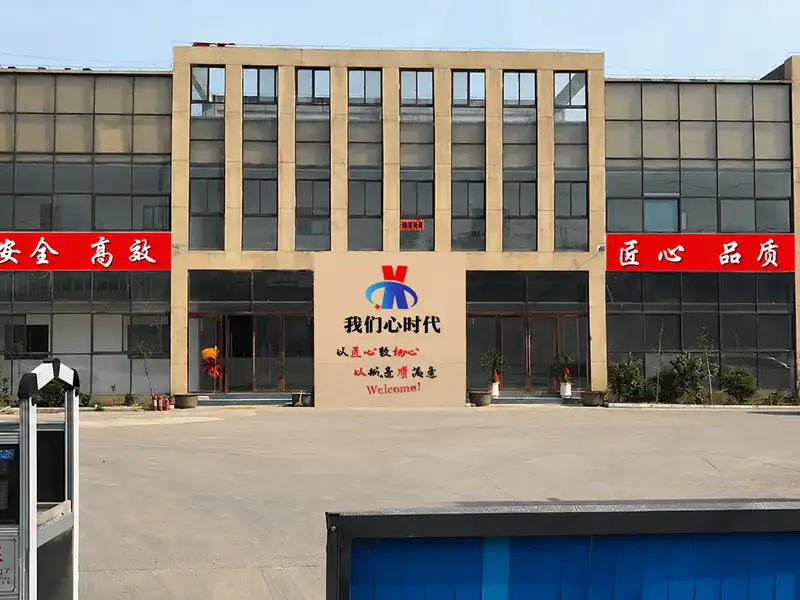
Some are consumer brands with direct retail presence. Some are better understood as product benchmarks. XSD Glass is included as a China-based sourcing and export partner for buyers who want to develop similar boxed sets, mixed-SKU containers, and retail-ready glassware programs with factory-backed supply in Anhui.
Why Glass Food Storage Containers Deserve a Dedicated Sourcing Page
Many buyers search for “glassware wholesale” and then end up comparing drinking glasses, bowls, jars, pitchers, and containers on the same page. That is too broad for a serious buyer. A purchasing manager looking for food storage containers cares about different details: lid seal, stacking, capacity mix, carton strength, drop-test risk, silicone gasket quality, barcode labels, replacement lids, and whether one container line can support several price points.
That is why this category deserves its own sourcing discussion. Compared with low-margin single cups, storage containers with lids usually involve more components, more packaging decisions, and more room for sourcing value. Buyers do not only compare glass price. They compare the full set, the complaint risk, the carton plan, and whether the supplier can keep the same assortment stable for the next order.
What Makes a Storage Container Program Worth Reordering?
A buyer may place one trial order because the price looks good. Reorders usually come from something quieter: the product arrives with fewer broken pieces, the packaging looks clean on the shelf, the lids fit consistently, the set is easy for sales teams to explain, and the supplier can repeat the same colors, cartons, and barcode information without turning every shipment into a new project.
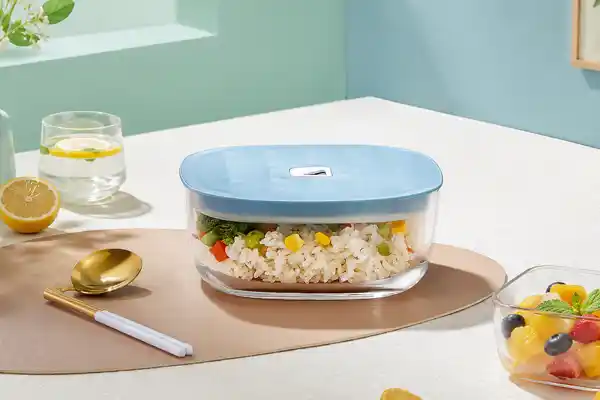
For this reason, the best glass food storage container suppliers are not always the ones with the longest catalog. A smaller but better-controlled range can be more profitable. A good starting program may include one round container set, one rectangular meal prep set, one family leftover set, one premium color-lid set, and one entry-level promotion pack. That gives the importer enough choice without creating a warehouse full of slow-moving shapes.
| Product Direction | Buyer Use Case | What to Check Before Ordering |
|---|---|---|
| Glass containers with lids | Daily leftovers, fridge storage, supermarket homeware shelves | Lid clip strength, gasket fit, stacking height, carton drop protection |
| Meal prep glass containers | Online retail, fitness customers, lunch packing, bulk club stores | Capacity accuracy, leak resistance, microwave claims, set weight |
| Glass food container set | Giftable kitchen sets, department stores, seasonal promotions | Color box design, insert strength, barcode placement, master carton layout |
| Glass bowls with lids | Mixing, serving, storage, family cooking | Bowl nesting, lid flexibility, rim consistency, retail photo appeal |
Top 10 Glass Food Storage Container Brands and Suppliers to Benchmark
Pyrex
Pyrex is one of the most recognized names in glass kitchenware, and its food storage range is a strong benchmark for buyers who want to understand mainstream demand. Pyrex products often focus on durable glass bodies, practical shapes, and everyday home use. For B2B buyers, the lesson is clear: simple shapes, trusted materials, and clear use cases still sell.
Buyers can study Pyrex for set planning, consumer trust language, and the way glass containers are positioned for storing, reheating, and serving. If you are developing private-label glass food storage sets, Pyrex is useful as a reference for product architecture rather than a price target.
The point is not to imitate Pyrex branding. The point is to understand why ordinary-looking containers can keep selling year after year. A private-label buyer can learn from the clean size logic, simple packaging language, and the way the product feels familiar before the customer even reads the box.
Official reference: Pyrex food storage containersGlasslock
Glasslock is a key name in tempered glass food containers. The brand is known for four-sided locking lids, transparent bodies, BPA-free positioning, and strong sustainability language. For buyers in supermarkets, homeware chains, and online retail, Glasslock is a useful benchmark because it turns food storage into a complete system instead of a random container line.
The most useful lesson from Glasslock is not only the glass body. It is the complete story: safety, sealing, recyclability, replacement lids, set combinations, and channel-ready packaging. That is exactly the kind of thinking importers should bring to private-label sourcing.
If your market is sensitive to leaks, lid complaints, or online reviews, this type of four-lock container deserves close attention. The lid costs more than a simple plastic cover, but it can also support better product reviews and a higher retail price when the quality is controlled.
Official reference: Glasslock USALocknLock
LocknLock is another important benchmark because it has built a large product universe around food storage. Its glass lines include heat-resistant glass, airtight lids, stacking features, and different series for different consumer needs. For B2B buyers, LocknLock shows how a container category can become a full shelf program.
A buyer planning a private-label range can learn from the way LocknLock separates product lines by lid type, capacity, material, and use scenario. Not every importer needs such a wide catalog, but the structure is worth studying before ordering mixed SKUs.
The risk, of course, is overbuilding the range. Smaller importers should not launch too many SKUs at once. A better approach is to use this kind of brand as a map, then choose a tight first assortment that matches the local channel: discount, supermarket, premium homeware, or online marketplace.
Official reference: LocknLock Top ClassAnchor Hocking
Anchor Hocking is a strong reference for American-made glass storage and bakeware. Its food storage lines show a practical, family-kitchen positioning: freezer, fridge, oven, microwave, dishwasher, visible storage, and multiple lid styles. The brand also shows how food storage containers can connect with bakeware and serving use.
For importers, Anchor Hocking is worth studying for product copy, size logic, and how to explain glass benefits without sounding too technical. The buyer does not need a chemistry lecture. They need to know whether the product is useful, safe, stackable, and easy to sell.
This is a useful lesson for packaging copy. Many boxes say too much and still fail to answer the buyer’s real questions. A stronger box says what the container is for, where it can be used, how it should be cleaned, and why the set belongs in the kitchen.
Official reference: Anchor Hocking food storageRubbermaid Brilliance Glass
Rubbermaid Brilliance is especially useful for studying lid design and retail claims. Its glass line emphasizes clear bases and lids, airtight and leak-proof performance, modular stacking, microwave reheating, and oven-safe glass bases. This is the kind of message that works well in big-box retail and marketplace listings.
For B2B sourcing, the lesson is that the lid may decide the sale. A better lid can support higher retail pricing, stronger reviews, and fewer complaints. When developing a glass food container set, buyers should check clip fatigue, gasket fit, steam vent design, and whether replacement lids can be supplied later.
Clear lids are also worth studying because they change the shelf impression. They make the product look cleaner and more modern, but they can show scratches more easily. That means packing method, surface protection, and sample review become more important before mass production.
Official reference: Rubbermaid BrillianceOXO Good Grips
OXO is a strong benchmark for premium functionality. Its Smart Seal glass containers highlight borosilicate glass, leakproof lids, removable silicone gaskets, freezer-to-oven use, and a clean design that can move from kitchen to table. OXO also proves that food storage does not have to look cheap.
For buyers building a middle or premium line, OXO is useful for learning how to present small functional details. A removable gasket, lid compatibility, easy stacking, and clean corners may sound minor, but they can become the difference between a basic container and a product line with repeat purchase potential.
For private-label projects, this is where buyers should be careful with claims. If the product is not borosilicate, do not market it like borosilicate. If the lid is not truly leakproof, do not put that promise on the box. Better to sell a solid product honestly than create after-sale trouble with aggressive wording.
Official reference: OXO Smart Seal glass setBormioli Rocco Frigoverre
Bormioli Rocco’s Frigoverre line is a good European reference for glass food preservation. It shows how storage containers can be positioned with Italian design, fridge and freezer use, microwave reheating, serving, and take-away convenience. The range also shows how a heritage glass brand can make a practical kitchen item feel more refined.
For importers, the biggest lesson is presentation. If a glass food container set is sold only as a utility item, price pressure becomes severe. If the same product is presented as a cleaner, reusable, table-ready storage solution, there is more room for packaging and assortment value.
This direction is especially useful for buyers who sell through homeware stores, department stores, and gift channels. The product still needs to be practical, but the styling, photography, and color box can lift it out of the cheapest storage-container comparison.
Official reference: Bormioli Rocco Frigoverre EvolutionIKEA 365+
IKEA 365+ is a powerful benchmark for modular daily-use storage. The line is simple, affordable, stackable, and designed around repeat buying. It also separates bodies and lids in a way that helps customers choose different combinations. This is a smart model for retailers that want steady turnover instead of one-off novelty products.
For B2B buyers, IKEA 365+ proves that not every profitable product needs complicated decoration. Clear sizing, interchangeable lids, good shelf presentation, and a reliable supply plan can create long-term sales. For private-label buyers, a similar logic can work well in supermarkets, homeware stores, and discount channels.
The lesson here is discipline. A modular range only works when dimensions, lids, and naming stay consistent. If a supplier changes a lid mold or carton layout without warning, the whole program becomes harder to reorder. This is why stable sourcing control matters.
Official reference: IKEA 365+ glass food containerCaraway
Caraway shows the premium lifestyle side of food storage. Its glass storage sets focus on non-toxic positioning, coordinated colors, cabinet organization, and higher perceived value. This is not the cheapest direction, but it is useful for buyers who want to escape the bottom-price fight.
The main lesson from Caraway is that packaging and brand system matter. Coordinated color, insert pieces, cabinet organizers, and clean photography can move a storage container set from basic kitchenware into giftable home organization. This is very relevant for buyers asking for retail packaging glassware supplier support.
Not every importer should copy a premium lifestyle brand. The useful idea is the value ladder. You can keep a basic storage set for volume, then add a better boxed set with coordinated lids, paper inserts, and cleaner photography for buyers who need a higher-ticket product.
Official reference: Caraway food storage setXSD Glass
XSD Glass is not trying to copy the scale of global consumer brands. Our role is different. We are an Anhui-based glassware sourcing and export partner with factory-backed supply, local glassware resources, and hands-on packaging coordination. For buyers who want glass food storage containers, bowls with lids, glass pot lids, pitcher sets, jars, or mixed-container glassware programs, we help turn a product idea into a practical purchasing plan.
The advantage is flexibility. Many buyers do not want a full container of one low-margin item. They want a retail-ready selection: several container sizes, matching lids, color box packaging, insert testing, mixed SKUs, and a clean loading plan. That is where a sourcing partner can create value beyond a factory price list.
Our work is most useful when a buyer needs someone to compare available glassware resources, check whether the requested product fits the local supply chain, coordinate packaging samples, and keep the order moving through many small details. This is not as dramatic as a giant factory story, but it is often what keeps a mixed-SKU glassware project from becoming messy.
What B2B Buyers Should Compare Before Ordering
1. Glass Body
Check whether the product is soda-lime glass, tempered glass, or borosilicate glass. Each has different cost, heat resistance, and sourcing logic. Do not copy premium claims unless the material and testing support them.
2. Lid System
The lid affects leak complaints, repeat purchases, reviews, and replacement parts. Compare clip strength, gasket removability, steam vent structure, color stability, and packing scratches.
3. Set Configuration
A 6-piece, 10-piece, 12-piece, or 18-piece set should be built around real retail use. Avoid random size mixes. Buyers should ask whether the set fits lunch, leftovers, family cooking, freezer storage, or pantry display.
4. Packaging
Food storage containers are heavy and breakable. Good packaging is not decoration only. It protects the item, explains the set, improves shelf value, and reduces after-sale trouble.
One more point is easy to miss: the cheapest quote is not always the cheapest landed product. If the lid is weak, the color box is thin, or the set is packed without enough protection, the buyer may pay later through breakage, returns, replacement requests, or slow-moving inventory. A serious quote should include product, lid, packaging, carton, inspection, and loading logic together.
How to Turn This Category Into a Better Inquiry
A vague inquiry such as “send me your glass containers price” usually leads to a weak quote. A better inquiry includes the target retail channel, reference photos, target capacities, lid type, packaging format, estimated quantity, destination port, and whether the buyer accepts mixed SKUs. With those details, a supplier can check real availability instead of guessing.
For XSD Glass, the best-fit buyer is usually not someone chasing the lowest single-item price by one or two cents. The better fit is a buyer who wants a practical assortment, retail packaging, and supplier coordination across several related glassware categories. That buyer may still care about price, of course, but price is only one part of the project.
If you are planning a 2026 food storage program, start with the shelf story. Is the line for meal prep, family leftovers, pantry organization, promotion packs, or premium gifting? Once that is clear, container sizes, lid colors, box structure, and mixed-container loading become much easier to decide.
Need a Glass Food Storage Container Sourcing Plan?
Send XSD Glass your target market, preferred sizes, lid style, packaging format, estimated order quantity, and whether you need a single-SKU order or mixed-container loading plan. We can help compare available molds, packaging options, and realistic factory-backed pricing.
Request a Glassware QuoteFAQ: Glass Food Storage Container Sourcing
Are glass food storage containers better than plastic containers?
For many buyers, yes, because glass is transparent, reusable, easy to clean, and does not absorb odors as easily as plastic. However, glass is heavier and needs better packaging. The right choice depends on the retail channel and target price.
What is the best product direction for private-label glass food storage sets?
For most importers, the best direction is a practical boxed set with several useful capacities, reliable lids, clear packaging, and a stable replacement plan. Premium buyers can add color lids, inserts, gift packaging, or pantry organization elements.
Can XSD Glass help with mixed SKU glassware containers?
Yes. XSD Glass can help buyers combine food storage containers, bowls with lids, jars, pot lids, pitcher sets, and packaging items into a more practical mixed-container program when the order logic makes sense.
What should I prepare before asking for a quote?
Prepare target market, product photos or reference links, capacity range, lid type, packaging style, quantity, inspection requirement, and shipping destination. This helps avoid vague quotes and makes the supplier comparison more accurate.
Is it better to order one full container of one SKU or mixed glassware SKUs?
If the product is already proven and the price is very sensitive, one full container of one SKU may be suitable. If the buyer is testing a retail program, mixed SKUs can be safer because it creates a fuller shelf range and reduces the risk of betting everything on one shape.
Why do packaging samples matter so much for glass containers?
Glass containers are heavy, visible, and easy to damage if the insert or carton is weak. A packaging sample helps buyers check protection, shelf appearance, barcode space, instruction copy, and whether the set still looks good after realistic handling.